
Requirements For Stomach Sleeve Surgical Treatment
Stomach sleeve surgery (frequently described as sleeve gastrectomy) is among the most successful weight reduction surgeries for individuals suffering from extreme weight problems. The treatment lowers stomach size to help you absorb food less rapidly and feel full quicker, providing reliable weight-loss outcomes.
Prior to undergoing this operation, specific requirements must be fulfilled in regards to being physically and emotionally prepared to make necessary lifestyle modifications after surgery.
Certifications For A Gastric Sleeve
If you are overweight or obese, your physician may recommend gastric sleeve surgical treatment to assist with weight-loss by restricting how much food can be eaten at once. It can also help those experiencing health concerns associated with obesity such as hypertension or heart problem.
Laparoscopic surgical treatments utilize little incisions for these procedures, utilizing little cams and long, narrow tools to access the stomach through little incisions and create a sleeve of stomach skin.
Your physician administers basic anesthesia so you are entirely asleep for the procedure. Following surgical treatment, medical staff monitor your condition in a recovery space.
After having a sleeve gastrectomy, clients can expect to lose 50 to 90 pounds within 12 months by adhering to a strict diet plan that includes getting rid of fatty foods, carbonated beverages, red meat and processed food from your diet plan along with eating smaller sized parts and taking bariatric vitamins and supplements.
For stomach sleeve treatments to be effective, patients should be experiencing extreme obesity (Class III). Your doctor will consider your BMI and any medical conditions to decide if you certify.
If your doctor advises gastric sleeve surgery, insurance can normally assist cover its expense. Your company might have eligibility requirements; so be sure to ask.
To be qualified for a sleeve gastrectomy, your body mass index (BMI) need to be 40 or higher or 35 kg/m2, plus at least one condition related to weight problems such as type 2 diabetes or high cholesterol. Moreover, you'll have to dedicate to an extensive clinically monitored weight loss program for a minimum of 3-7 consecutive months prior to surgery can occur.

Requirements For A Stomach Bypass
Gastric coronary bypass is a surgical technique created to assist individuals reduce weight better. This procedure is often utilized as a kind of treatment for obese individuals who have stopped working to shed pounds through diet plan and exercise alone, or those struggling with persistent diseases like diabetes, high blood pressure or cardiovascular disease.
Your cosmetic surgeon will create a small stomach pouch by either stapling part of your stomach together or vertical banding, to limit just how much food can be eaten at one time.
Your cosmetic surgeon will then reroute the remainder of your gastrointestinal system, so that less calories enter your system and add to weight reduction and continual weight management. This must assist you shed additional pounds without returning once again later.
Your surgeon will utilize staples to form a new stomach pouch in the upper portion of your stomach. Your small intestine will then be reconfigured so it gets in touch with this new pouch.
Decrease just how much food enters your body at once and feel full faster after each meal, and stop your stomach from producing excess acids and enzymes, which might otherwise cause queasiness and even cause you to pass out.
Your doctor will likewise sew completion of your intestinal tract into the brand-new stomach pouch so you can consume smaller parts at one time. They might prescribe a liquid diet plan initially before progressing to solid foods.
After your surgical treatment, you need to prepare to invest a minimum of a number of days in medical facility. A breathing tube ought to remain in your trachea (windpipe), supplying oxygen and anesthetic gas throughout your surgical treatment. When complete, you will be free to return home when prepared.
Long Term Diet After Gastric Sleeve Surgical Treatment
Undergoing stomach sleeve surgery can be efficient at helping you shed additional pounds, however requires making long-term modifications to your diet plan. You should consume smaller sized meals throughout the day while sticking to an regimented strategy created to guarantee you get all of the necessary vitamins and nutrients.
Your stomach has actually diminished substantially - around the size of an egg - making it vital to require time and chew carefully while consuming to help with simpler digestion of food and minimize risk for pain and nausea.
Start by replenishing your body with clear fluids such as water, water down squash, organic and fruit tea (consisting of fruit-flavored), and diluted juices including electrolytes in order to remain hydrated and avoid dehydration.
Slowly add healthy liquids such as skimmed milk, smooth soups, Marmite and Bovril beverages, fruit juices and meal replacement drink mixes into your diet. Beware of sweet drinks, soft drinks and high fat options like cheese and chocolate which might position dangers.
As soon as your stomach has actually adapted to the brand-new texture of liquids, you can slowly present solid foods with a pureed consistency. This stage generally lasts roughly 2 weeks and includes eating four to six small pureed meals every day.
At this stage, it is suggested to take in 2 to 2.5 litres of fluid every day in order to stay hydrated and prevent dehydration.
After surgical treatment, it is a good idea to take long-lasting multivitamin and mineral supplements; your surgeon should advise taking such items.
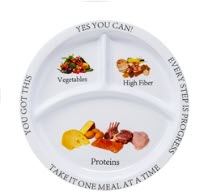
As part of your post-op diet, consider including foods like minced or wafer thin meats, fish, cauliflower cheese, cottage cheese, canned or soft fruit, prepared vegetables and rice or pasta in a minimum of 3 well-balanced meals daily to preserve energy levels and nutritional consumption. It's necessary that at least three healthy meals be taken every day for optimum energy intake and to prevent energy drain.
Complications With Gastric Bypass
Roux-en-Y stomach coronary bypass is a surgical process developed to change how your stomach and small intestine take in food, so that you take in less calories while feeling satisfied quicker.
Diet plan and exercise alone have not helped you shed unwanted weight; surgery could likewise be needed if there are serious health problems due to weight problems.
Gastric bypass can feature issues that include infection, blood clots, breathing concerns and leakages in your intestinal system (intestinal tracts). Some issues are more major than others.
Peritonitis is one of the most severe complications following stomach coronary bypass and ought to never be left neglected. This condition takes place when inflammation strikes your peritoneum (the smooth membrane that lines your abdominal cavity), resulting in infection of its smooth membrane that lines your abdominal area cavity.
" Dumping syndrome," or food discarding, happens when solid parts of food enter your small intestine instead of being digested and can be very uncomfortable - often resulting in stopping consuming altogether or requiring health center care.
Dumping Syndrome symptoms generally include stomach pain, diarrhea and cramps that can generally be dealt with through diet changes or medication.
gastroesophageal reflux disease, frequently described as heartburn, is another negative effects of gastric bypass surgery that frequently emerges. There has actually been much conversation over whether this condition gets worse after weight loss surgical treatment but as much as 47% of patients report experiencing heartburn after this weight reduction treatment.
Deep Vein Thrombosis and Lung Embolus, two possibly dangerous complications of bariatric surgery, take place in around 2% of clients but they are hardly ever fatal. Their risk increases in clients who are overweight along with have actually had prior venous thrombosis episodes.
Cons To Gastric Sleeve
Stomach sleeve surgical treatment is among the most effective and commonly adopted bariatric surgeries available, assisting countless people shed extra weight over the years. While safe and reliable weight-loss surgical treatments exist, such as stomach bypass and gastric sleeve procedures have some drawbacks that ought to be carefully considered prior to making your choice on whether this treatment is right for you or not.
Gastric sleeve surgical treatment can not be reversed once finished; its effects can not be reversed when cut and stapled into an anorexic tube shape known as a sleeve. Patients undergoing stomach sleeve should prepare to make considerable way of life modifications and follow all dietary recommendations for life after undergoing this type of surgical treatment.
Another problem associated with gastric sleeve surgery is reflux (in which acid from the stomach moves upward into the esophagus), even after weight loss. Reflux can usually be treated utilizing medication, nevertheless some sleeve patients may require bypass surgery to handle signs efficiently.
Some clients can develop discarding syndrome, in which food passes too rapidly through the digestion system and results in diarrhea or vomiting. Less typical than numerous might fear, this condition generally solves itself with medication or diet plan changes.
Gastric Sleeve operations should not be undertaken within 18 months after planning to conceive, due to obesity's risk for uterine cancer and preeclampsia which put both mom and coming baby at risk of issues throughout pregnancy.
A sleeve gastrectomy can help in handling obesity-related lipid disorders, including high cholesterol, triglyceride levels and fatty liver disease. The procedure works by decreasing fats and lipids saved within your body - thus helping manage these conditions.
Bariatric doctors are specialized in managing weight loss and obesity-related conditions. They develop tailored treatment plans based on your unique needs, ensuring sustainable results while minimizing risks and promoting overall health
A bariatric doctor provides personalized weight loss solutions, including comprehensive treatment plans, nutritional counseling, and surgical recommendations when necessary. They also offer ongoing support to help patients maintain their health goals.
A reputable bariatric doctor should hold a medical degree, have completed specialized training in bariatrics, and be board-certified in obesity medicine. They should also have ample experience in the field and a proven track record of successful patient outcomes.